


News Feed
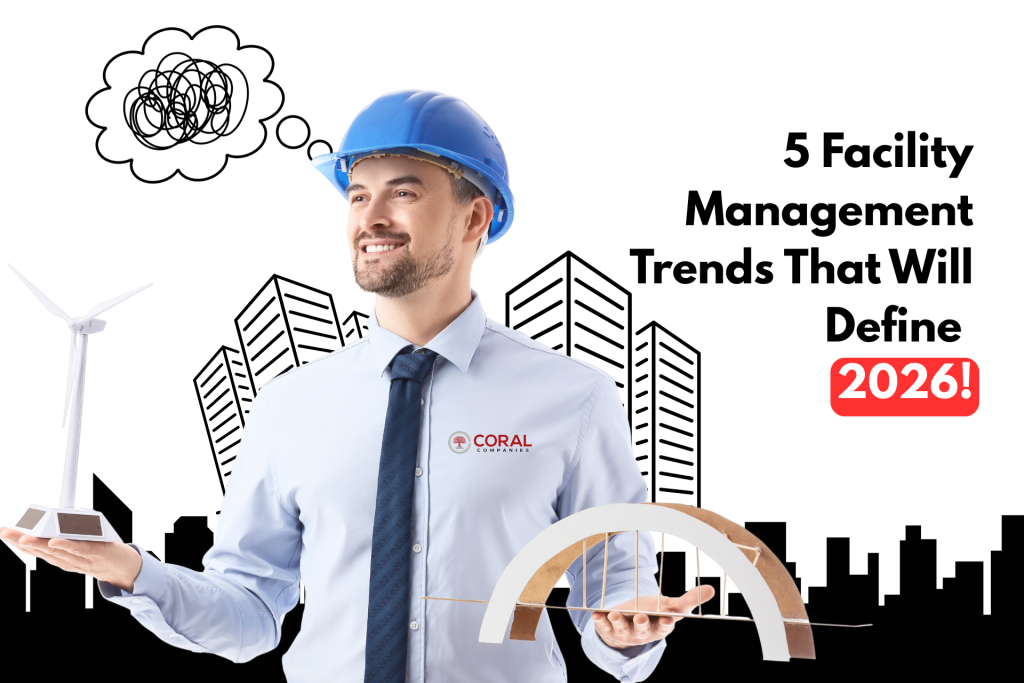
The year 2026 finds the Facility Management sector in a phase of accelerated maturity. Buildings are becoming increasingly complex, many assets are aging, and budget pressure remains constant. At the same time, hybrid work is no longer an experiment but a stable reality, while artificial intelligence has moved beyond being a buzzword and is now expected to deliver measurable results. The gap between organizations that modernize their operations and those that remain stuck in reactive workflows will become more visible than ever.
Global industry perspectives highlighted by organizations such as International Facility Management Association (IFMA), JLL, CBRE, and Deloitte outline several major shifts that will significantly shape Facility Management in 2026.
Over the past years, organizations have accumulated large volumes of information related to maintenance, energy consumption, operational costs, interventions, and occupancy rates. However, simply collecting data is no longer enough. What truly differentiates leading organizations is their ability to structure, correlate, and transform this data into meaningful performance indicators.
In many cases, information still sits in disconnected spreadsheets, emails, or isolated systems, offering limited strategic value. In contrast, organizations that centralize and standardize their data can build clear dashboards, anticipate risks, optimize budgets, and support strategic decisions with solid evidence. Data is no longer just a historical record of activities; it becomes a proactive management tool. This shift from reacting to predicting marks one of the most significant transformations in the industry.
Artificial intelligence is present in nearly every conversation about the future of operations. Yet, tangible results appear only where there is a strong digital foundation. AI can support predictive maintenance, optimize energy consumption, reduce downtime, and automate administrative workflows. However, all of these applications rely on accurate, complete, and well-structured data.
Without a clean and reliable asset database, historical maintenance records, and standardized technical information, AI initiatives remain pilot projects with limited impact. In 2026, it will become increasingly clear that technology alone does not create competitive advantage. Success depends on digital maturity, operational discipline, and the ability to integrate new tools into daily processes. Organizations that have already invested in integrated systems will be able to scale innovation faster, while others will need to bridge the gap.
The commercial real estate market continues to adjust to new economic conditions and evolving workplace models. In the office sector especially, hybrid work has had a measurable impact on occupancy and space utilization. As a result, decisions regarding whether to retain, consolidate, or repurpose assets can no longer rely solely on assumptions or short-term financial considerations.
Facility Management holds critical operational data on costs, technical condition, asset performance, and energy efficiency. This information provides a realistic and objective view of each building’s performance within a portfolio. Consequently, FM is no longer perceived as a purely operational support function but as a strategic contributor to real estate planning. Portfolio optimization increasingly depends on operational insights, and the role of FM in shaping long-term property strategies continues to grow.
Capital planning is becoming less reactive and far more data-driven. In the past, investment decisions were often triggered by major failures or based on periodic inspections. Today, historical intervention records, failure frequency, lifecycle patterns, and cumulative maintenance costs offer a far more accurate picture of asset health and operational risk.
In 2026, budget requests must be supported by clear evidence regarding asset criticality, operational risk exposure, and the financial impact of deferred investments. Maintenance data becomes a powerful argument in discussions about replacements, upgrades, and modernization projects. The integration between day-to-day maintenance activities and long-term capital planning creates greater predictability and reduces the likelihood of costly emergency decisions.
The traditional model of one desk per employee is increasingly obsolete. Hybrid work requires flexible space utilization and a deeper understanding of how workplaces are actually used. Organizations that measure real attendance patterns and space usage can make informed decisions about reconfiguration, consolidation, or redesign.
The focus shifts from square meters to experience. Offices must support collaboration, provide comfort, and encourage employees to use the workplace intentionally. In 2026, space planning will be guided by real usage data rather than assumptions, allowing organizations to optimize costs while enhancing employee satisfaction and productivity.
CORAL COMPANIES is strongly committed to the spirit of partnership, which is based on mutual respect, trust and commonly shared values and perceptions for innovation, quality of services and confidence in high performance. We have experience of working with many Top Companies from across the world. Few of our Top Clients are listed below.













We offer the top-notch construction services to make your dreams come true.