

News Feed
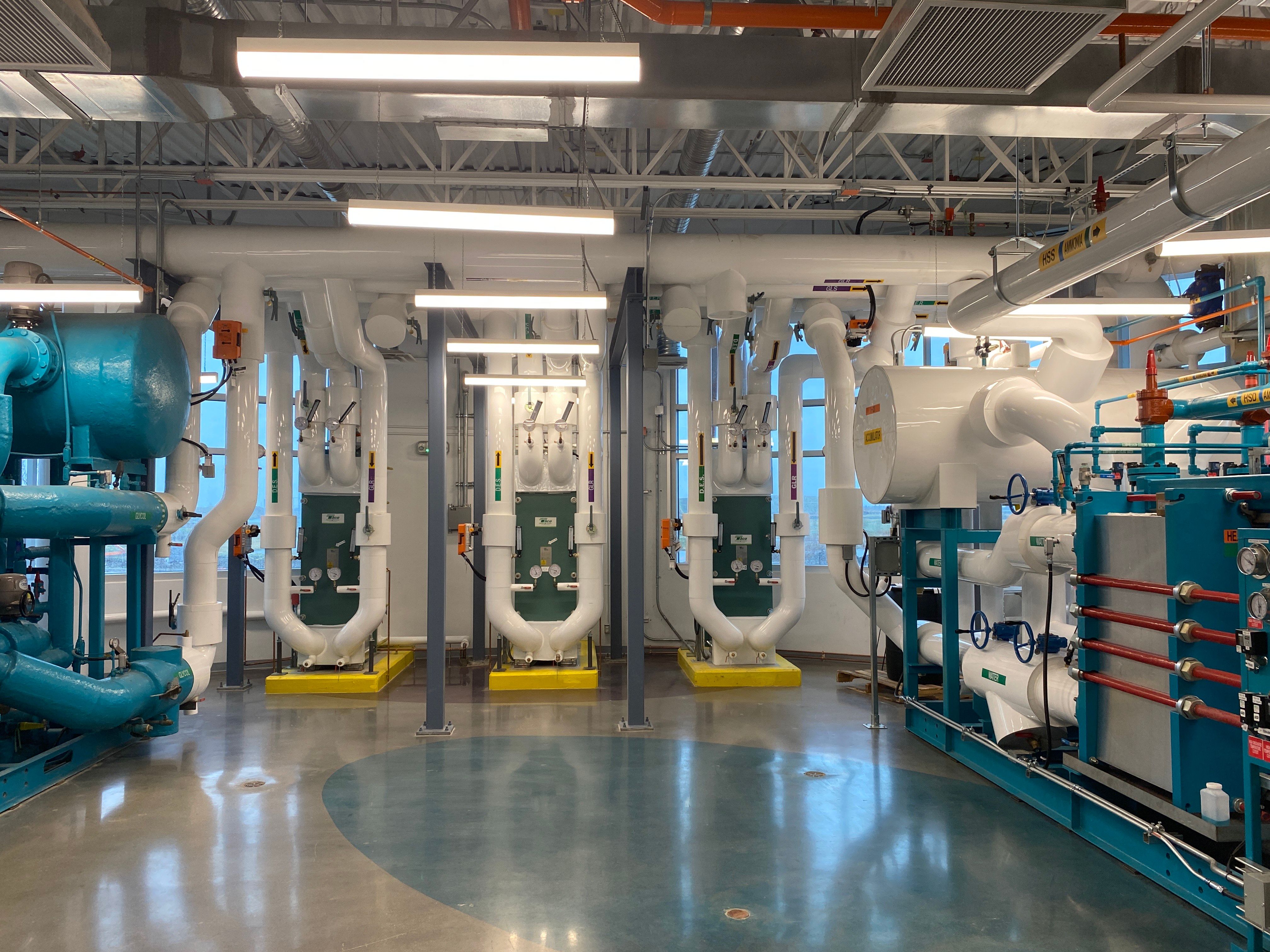
In Facility Management, one of the most expensive sentences can sometimes be: “We’ll fix it when it breaks.” At first glance, reactive maintenance may seem like a perfectly reasonable approach. Why replace a component that is still working? Why intervene when a system appears to be operating normally? And why allocate resources to inspections when there is no visible problem to solve?
The answer becomes clearer when we look beyond the repair itself.
When equipment fails unexpectedly, the real cost is rarely limited to a replacement part or a technician’s intervention. A breakdown can affect building operations, create downtime, require emergency resources, impact other connected systems and, perhaps most importantly, disrupt the experience of tenants and building users.
This is where the difference between reactive and preventive maintenance becomes important.
Reactive maintenance: necessary, but not a strategy
Reactive maintenance means intervening after a failure or deficiency has already occurred.
A pump stops working. An HVAC unit develops a fault. An electrical component overheats. A lighting circuit fails. A piece of equipment reaches the point where it can no longer perform its intended function.
The Facility Management team identifies the problem, evaluates it and intervenes to restore normal operation as quickly as possible.
There is nothing inherently wrong with reactive maintenance. Unexpected failures are part of managing complex buildings, and even the best preventive maintenance programme cannot eliminate them completely.
The problem appears when reactive maintenance becomes the primary maintenance strategy.
In that scenario, technical teams spend more of their time responding to emergencies rather than controlling maintenance activities. Costs become harder to anticipate, interventions become more urgent and building operations become increasingly dependent on what fails next.
Good Facility Management should therefore not be defined only by how quickly a team reacts when something goes wrong.
It should also be defined by how effectively that team works to prevent avoidable failures in the first place.
The real cost of equipment failure
The invoice for repairing a failed piece of equipment tells only part of the story.
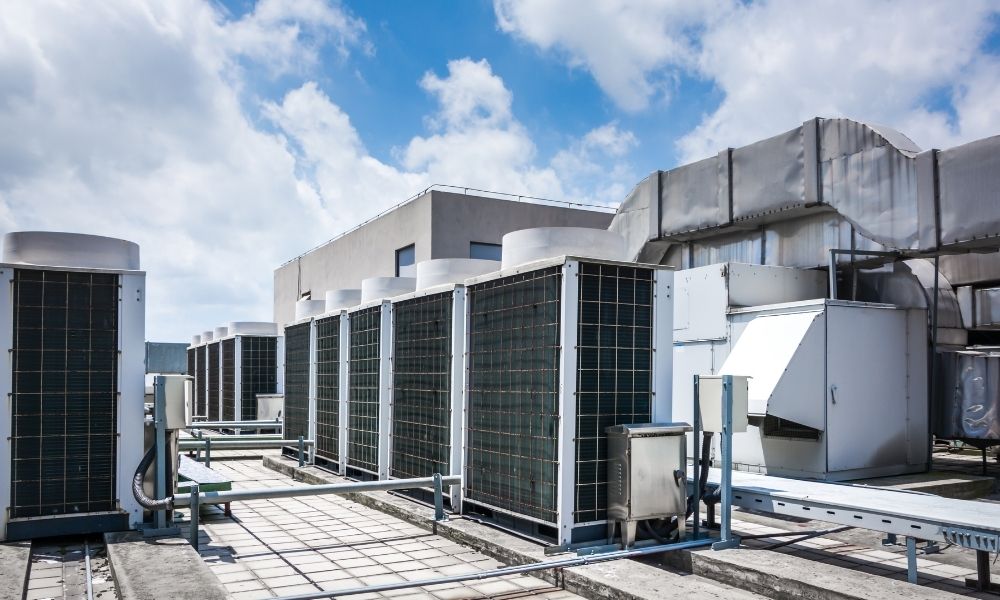
Imagine, for example, an HVAC component failing during a period of extreme temperatures. The immediate cost may include labour, replacement parts and technical intervention. But the operational impact can extend much further.
Certain areas of the building may become uncomfortable or temporarily unusable. Employees and tenants may report complaints. Other equipment may need to compensate for the failure. Technical teams may need to reprioritise scheduled work. A supplier may need to be called urgently, potentially outside normal working hours.
In more complex situations, one technical deficiency can also affect connected systems.
This means that the true cost of reactive maintenance can include several factors: emergency interventions, operational disruption, unplanned labour and materials, potential secondary damage, reduced equipment performance and a negative impact on tenant experience.
For property owners and managers, another problem appears as well: lack of predictability.
When maintenance is dominated by emergencies, technical budgets become more difficult to forecast and long-term decisions about equipment repair and replacement become harder to plan.
What preventive maintenance changes
Preventive maintenance changes the question.
Instead of asking:
“How quickly can we repair this?”
we begin asking:
“What can we do to reduce the probability of this failure occurring?”
This requires a structured approach.
Equipment needs clearly defined maintenance procedures and schedules. Technical teams need to perform regular inspections and revisions. Deficiencies need to be documented and monitored. Equipment history needs to remain accessible, and recurring problems should be identified rather than repeatedly treated as isolated incidents.
Depending on the building and its technical systems, preventive activities can include HVAC servicing, electrical inspections, PRAM measurements, thermographic inspections of electrical panels, equipment testing, filter replacement, cleaning, adjustments and other manufacturer- or system-specific maintenance procedures.
Consider thermographic inspection as a simple example.
An electrical panel may appear to function normally from the outside. A thermal inspection, however, can reveal abnormal temperature patterns associated with components or connections that require further technical investigation.
The building is still operating. There may be no visible emergency.
But the Facility Management team now has information that allows it to investigate and potentially intervene before a developing deficiency becomes an operational failure.
That difference is at the heart of preventive maintenance.
From scheduled maintenance to data-driven Facility Management
Preventive maintenance should not simply mean creating a calendar and performing the same operations at predetermined intervals.
Modern Facility Management increasingly depends on information.
What equipment is installed in the building? When was it last serviced? What deficiencies have previously been identified? How often has the same component generated a ticket? What interventions have already been performed? Is the equipment still under warranty? What does its technical and financial history tell us?
When this information is fragmented across emails, paper reports, spreadsheets and different departments, identifying patterns becomes considerably more difficult.
This was one of the operational challenges behind the development of CORAL BUILDING MANAGEMENT™, the in-house CAFM platform used by Coral Companies.
The platform brings together key areas of Facility Management operations, including helpdesk and ticketing, preventive maintenance management, building documentation, equipment information and deficiency history, warranty monitoring and technical and financial tracking.
Preventive maintenance activities can be structured according to weekly, monthly, quarterly, biannual or annual requirements, while technical teams can carry out and record operations digitally from mobile devices.
The platform is also QR-code ready and designed around paperless operations, allowing information related to buildings and equipment to remain accessible and traceable.
This creates something particularly valuable in Facility Management: history.
A single intervention tells us what happened today. A structured history can help us understand what has been happening to an asset over time.
And that information supports better technical decisions.
Preventive maintenance is also asset protection
For a landlord or asset manager, maintenance should not be viewed exclusively as an operational expense.
Technical systems represent a significant part of a property’s infrastructure, and the way they are operated and maintained throughout their lifecycle matters.
Poor maintenance can contribute to accelerated deterioration. Repeated failures can generate additional costs. Lack of reliable information can make it harder to determine whether repairing a piece of equipment remains economically justified or whether replacement should be considered.
A structured preventive maintenance programme provides greater visibility.
It allows property and Facility Management teams to monitor equipment performance, identify recurring deficiencies and plan interventions with a better understanding of both technical condition and operational priorities.
This also contributes to more informed discussions about OPEX and CAPEX.
Rather than waiting for an unexpected failure to force an investment decision, owners and managers can use technical history and maintenance information to anticipate future requirements and plan resources accordingly.
Ultimately, preventive maintenance contributes to protecting not only individual equipment, but also the operational performance of the property itself.
There is also a human side to maintenance
Technical performance is only one part of the equation. Buildings exist to be used by people. For an employee working inside an office building, Facility Management is often invisible. They may never see a preventive maintenance plan, a technical report or the history of an HVAC unit.
What they experience is much simpler.
The temperature is comfortable. The lights work. The common areas are clean. The lifts operate normally. Technical problems are resolved without unnecessarily disrupting their day.
When these things work consistently, they become almost invisible.
When they don’t, everyone notices.
This is why preventive maintenance also plays a role in tenant and workplace experience. Reliable building operations support the environment that landlords and tenant companies expect to provide to the people using their spaces every day.
Preventive versus reactive maintenance: the answer is balance
Preventive maintenance does not mean that reactive interventions disappear. That would be unrealistic.
Buildings are complex environments containing numerous interconnected systems, and unexpected situations will always occur. A strong Facility Management operation therefore needs both capabilities: the ability to prevent what can reasonably be prevented and the ability to respond effectively when an unexpected problem occurs.
The difference lies in the balance.
If technical teams are constantly moving from one emergency to another, there is little opportunity to analyse equipment, plan maintenance and address developing deficiencies.
A more mature Facility Management strategy aims to reduce avoidable reactive work through structured maintenance, accurate information, qualified technical teams and continuous monitoring.
The objective is not simply to have fewer repairs.
It is to create more predictable, reliable and efficient building operations.
Good Facility Management starts before something goes wrong
The most visible moment in Facility Management is often an intervention.
A technician arrives. A problem is diagnosed. Equipment is repaired. Operations return to normal.
But some of the most valuable Facility Management work happens much earlier.
It happens during an inspection that identifies a developing deficiency. During scheduled maintenance that keeps equipment operating correctly. When technical history reveals a recurring problem. When data supports the decision to repair or replace an asset. And when teams prepare a building for the next season before conditions change.
The real cost of a breakdown is rarely just the cost of the repair.
That is why at Coral Companies, we believe effective Facility Management should combine technical expertise, structured preventive maintenance, reliable data and the ability to respond when needed.
Because operational excellence is not only about solving problems.
It is about being prepared for them.
Coral Companies — The Confidence Icon.
CORAL COMPANIES is strongly committed to the spirit of partnership, which is based on mutual respect, trust and commonly shared values and perceptions for innovation, quality of services and confidence in high performance. We have experience of working with many Top Companies from across the world. Few of our Top Clients are listed below.

















We offer the top-notch construction services to make your dreams come true.